Geography
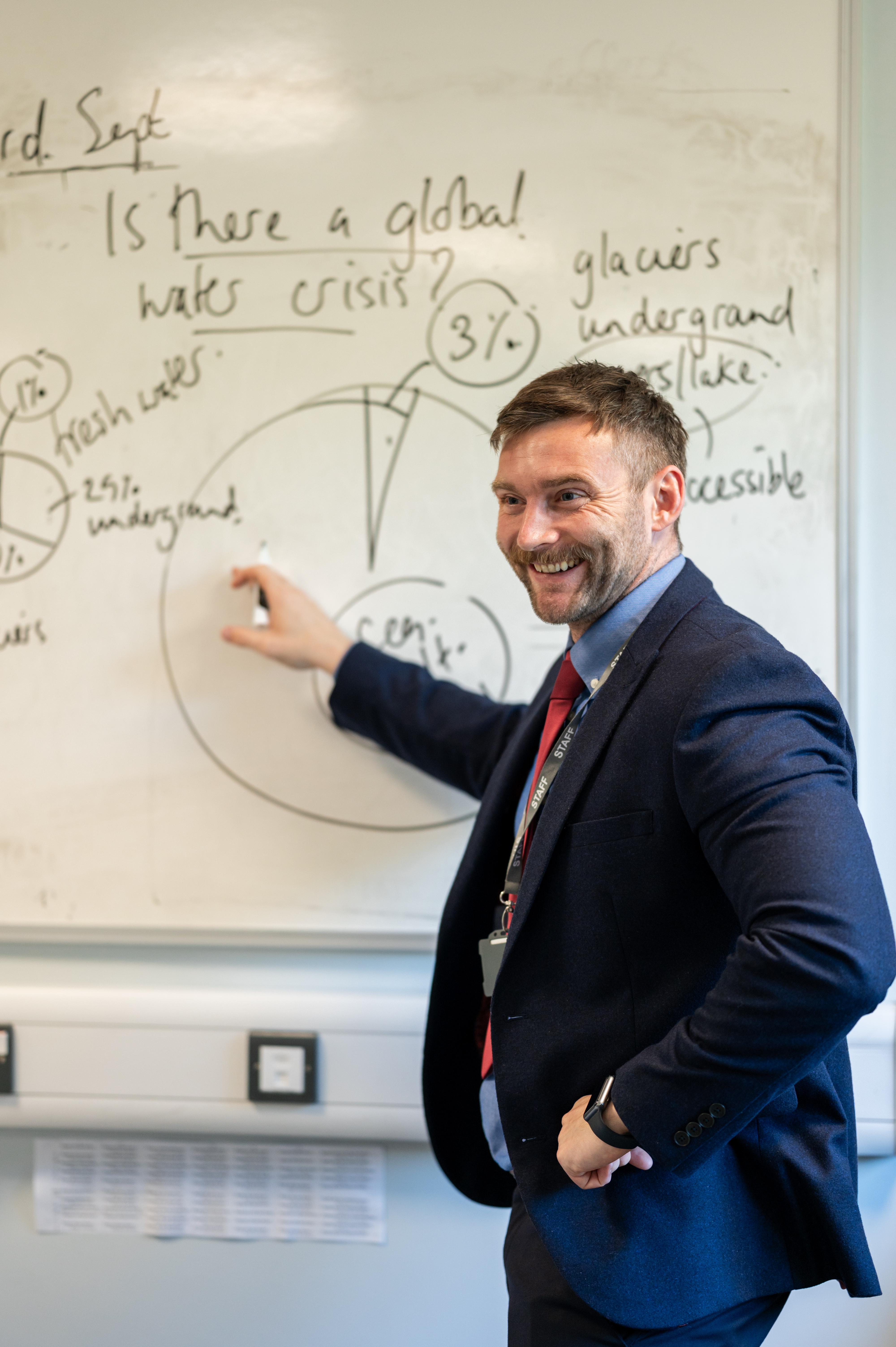
Faculty Leader: Miss A East
KS3
Students will develop a broad range of geographical knowledge and skills by exploring physical and human geography at local, national and global scales. Building on learning from primary school, they will study topics including coasts, rivers, glaciers, climate change, Africa, Asia, the Middle East and Russia, developing a deeper understanding of key geographical concepts while laying a strong foundation for GCSE Geography.
Learning is carefully sequenced so that new topics extend and deepen knowledge gained previously and make meaningful links with other subjects, including Science, Mathematics, English and History. Throughout the curriculum, students will strengthen key geographical skills such as map interpretation, data analysis, satellite image interpretation and fieldwork investigations, enabling them to analyse, interpret and explain the processes that shape our world.
Curriculum for the new Year 7 cohort in 2026 will follow this plan...
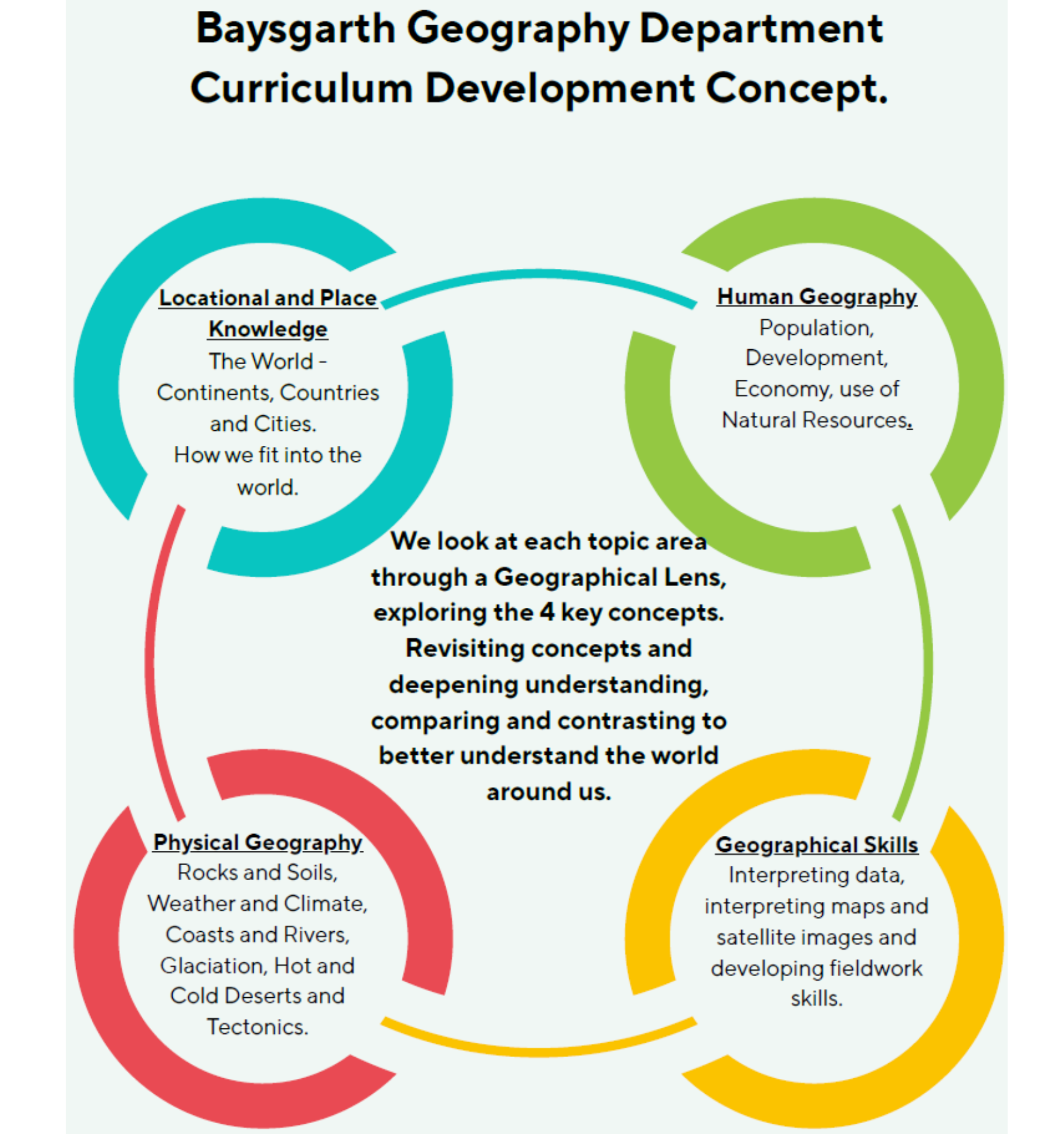
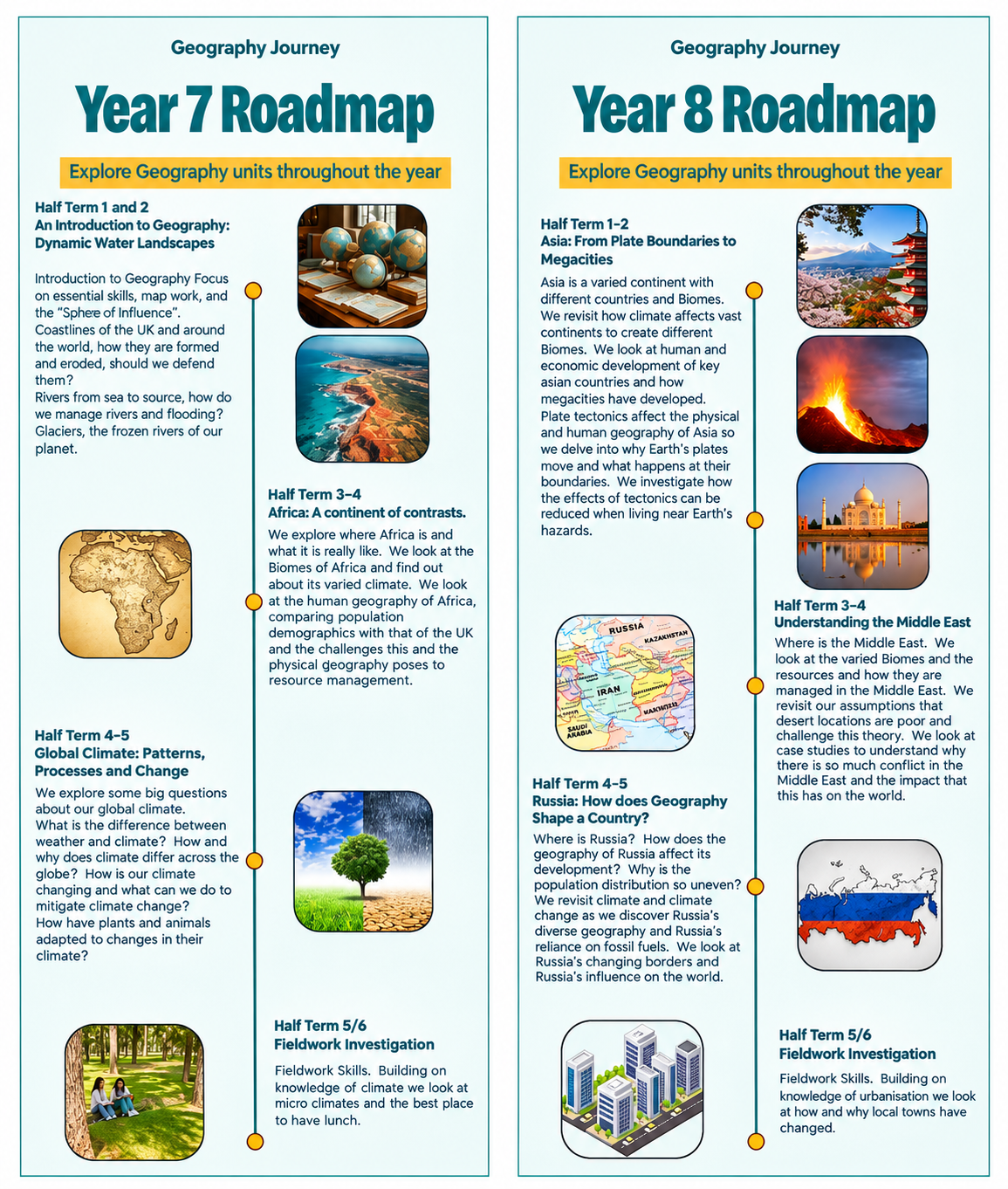
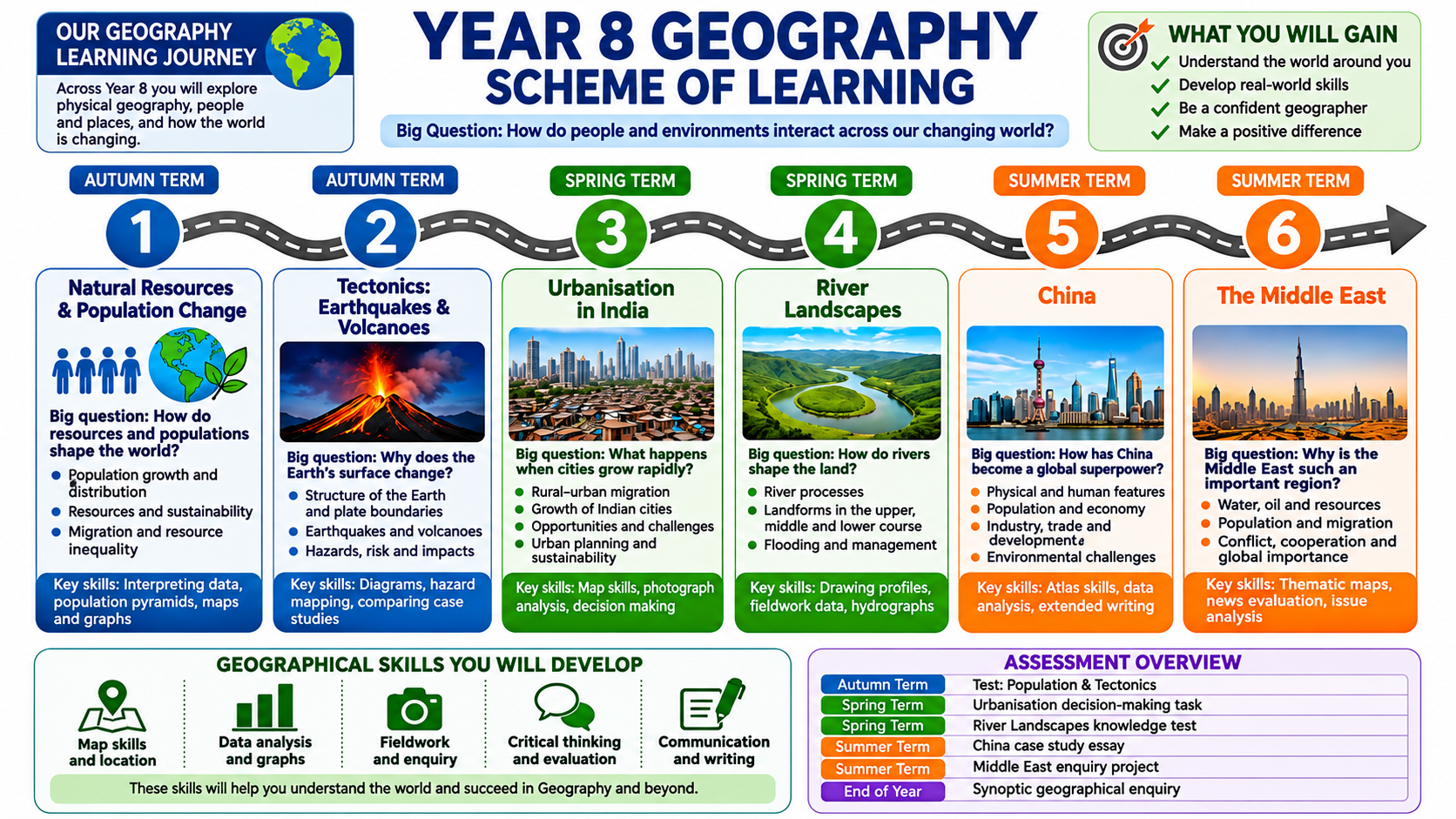
The Year 7 Learning journey above will be used from September 2026. The Year 8 learning journey will be used from September 2027. For Year 8 students in September 2026 we will use the following Scheme of learning.
KS4
The GCSE Geography course is organised into four interconnected units: Living with the Physical Environment, Challenges in the Human Environment, Geographical Applications, and Geographical Skills.
Living with the Physical Environment
Students investigate the dynamic physical processes that shape our planet and the ways people interact with them. Topics include natural hazards such as earthquakes, volcanoes and tropical storms, the causes and impacts of climate change, global ecosystems including tropical rainforests and hot deserts or cold environments, and the formation and management of UK physical landscapes such as rivers, coasts and glaciated environments. Through these studies, students develop an understanding of sustainability and the need to manage natural environments responsibly.
Challenges in the Human Environment
This unit explores the human processes that shape places and the challenges created by a rapidly changing world. Students examine urbanisation and the growth of cities, economic development and global inequalities, and the management of vital resources such as food, water and energy. Through case studies from countries at different stages of development, students investigate how people, economies and environments are interconnected and consider strategies for creating more sustainable futures.
Geographical Applications
Students apply their geographical knowledge and skills to real-world issues through fieldwork and decision-making exercises. They undertake investigations in both physical and human environments, collecting, presenting and analysing primary data while evaluating the reliability of their methods and conclusions. They also use a pre-release resource booklet to analyse contemporary geographical issues, interpret evidence, weigh different viewpoints and justify informed decisions using geographical understanding.
Geographical Skills
Geographical skills are embedded throughout the course and enable students to think critically and analyse information from a range of sources. Students develop proficiency in map reading, graph and data interpretation, statistical analysis, the use of GIS and satellite imagery, fieldwork techniques and mathematical skills. These transferable skills support independent enquiry, evidence-based reasoning and effective communication, preparing students for further study and a wide range of future careers.
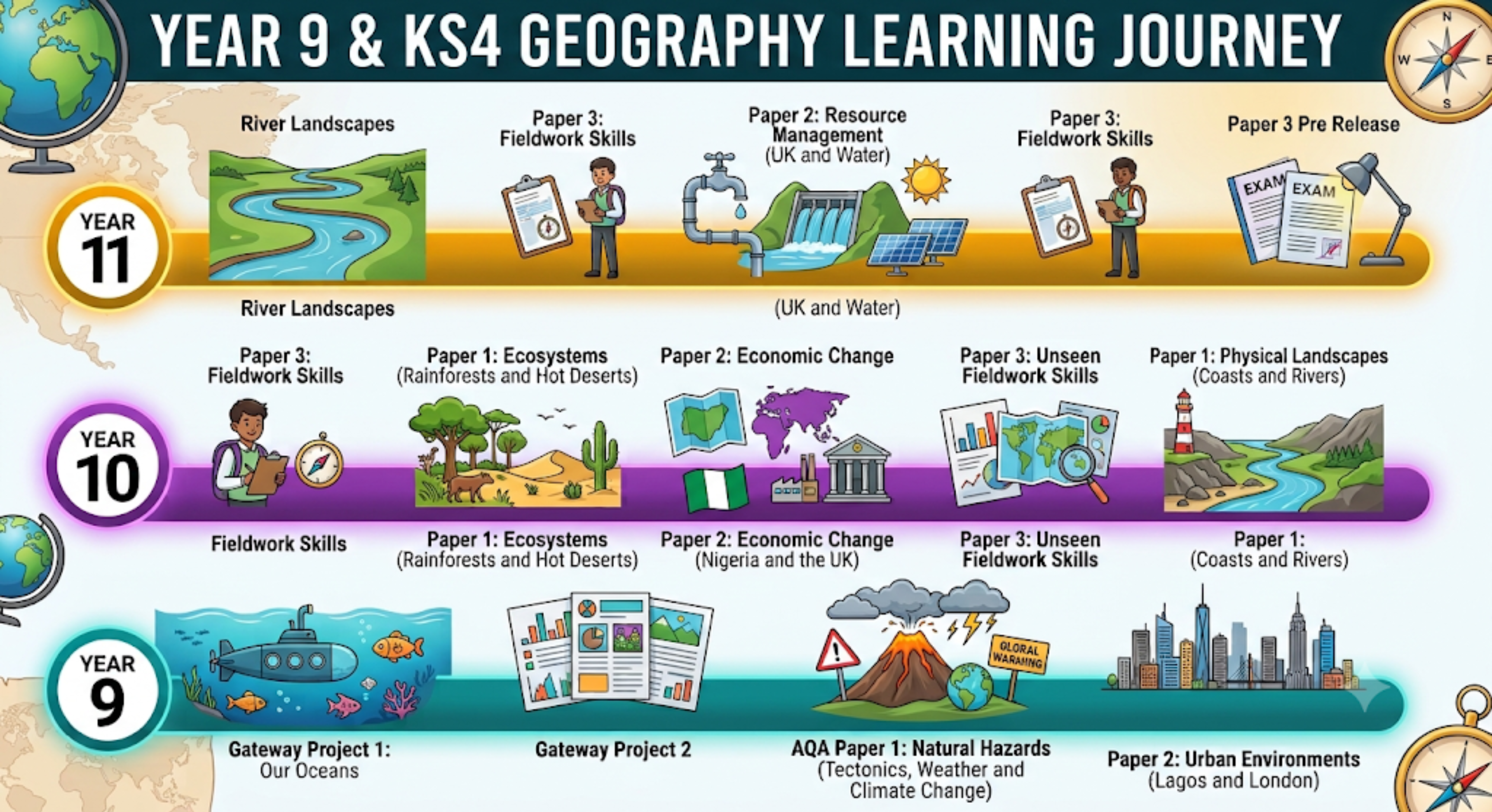
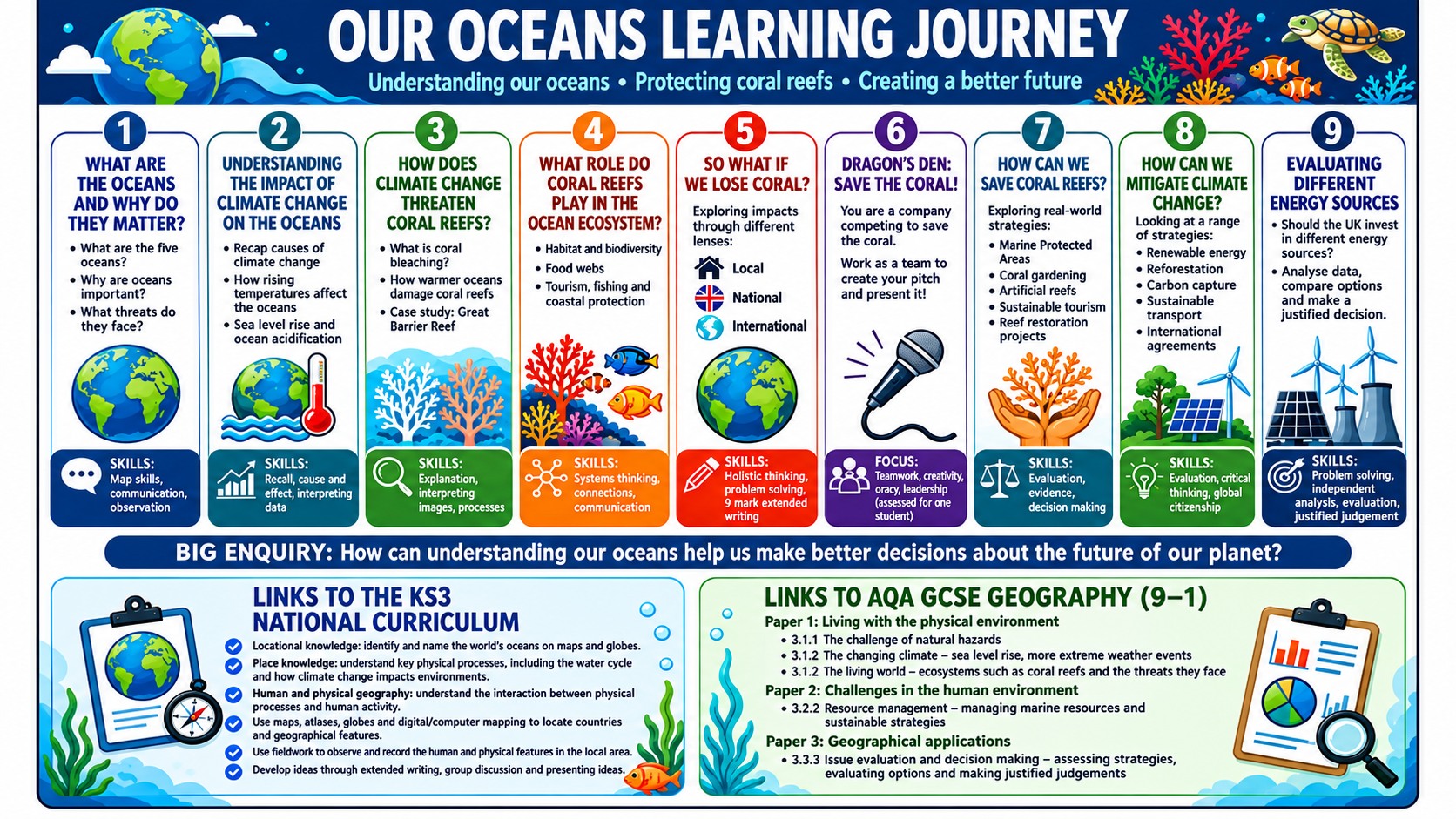
Through these units, students develop a secure understanding of key geographical concepts, investigate real-world issues and apply their knowledge through fieldwork and decision-making activities. Students study a range of case studies and examples, building both broad and detailed knowledge of places, processes and contemporary challenges. This approach enables learners to make connections across topics while developing the analytical, evaluative and practical skills required for success at GCSE and beyond.

Gateway Project 1:
Year 9, 10 and 11 Overview: