Reading at Baysgarth
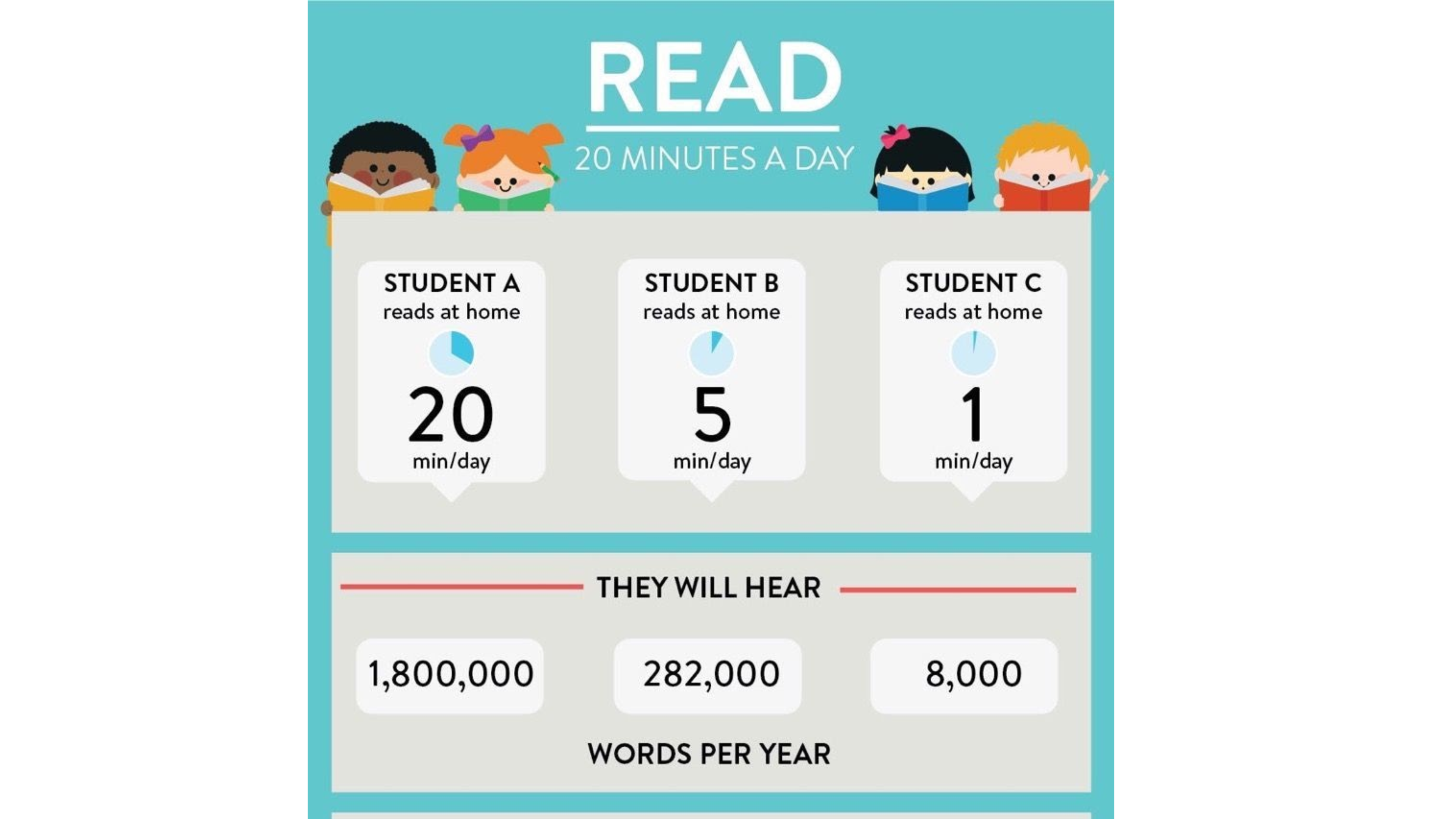
We know that a student's reading ability directly impacts on their success in all their GCSE subjects and their opportunities in later life. Research has proven that weak reading skills limit the life chances of young people whereas good reading skills have a positive impact on our children's physical and mental health, their future income, their family life, engagement in their civic duty and their emotional development.
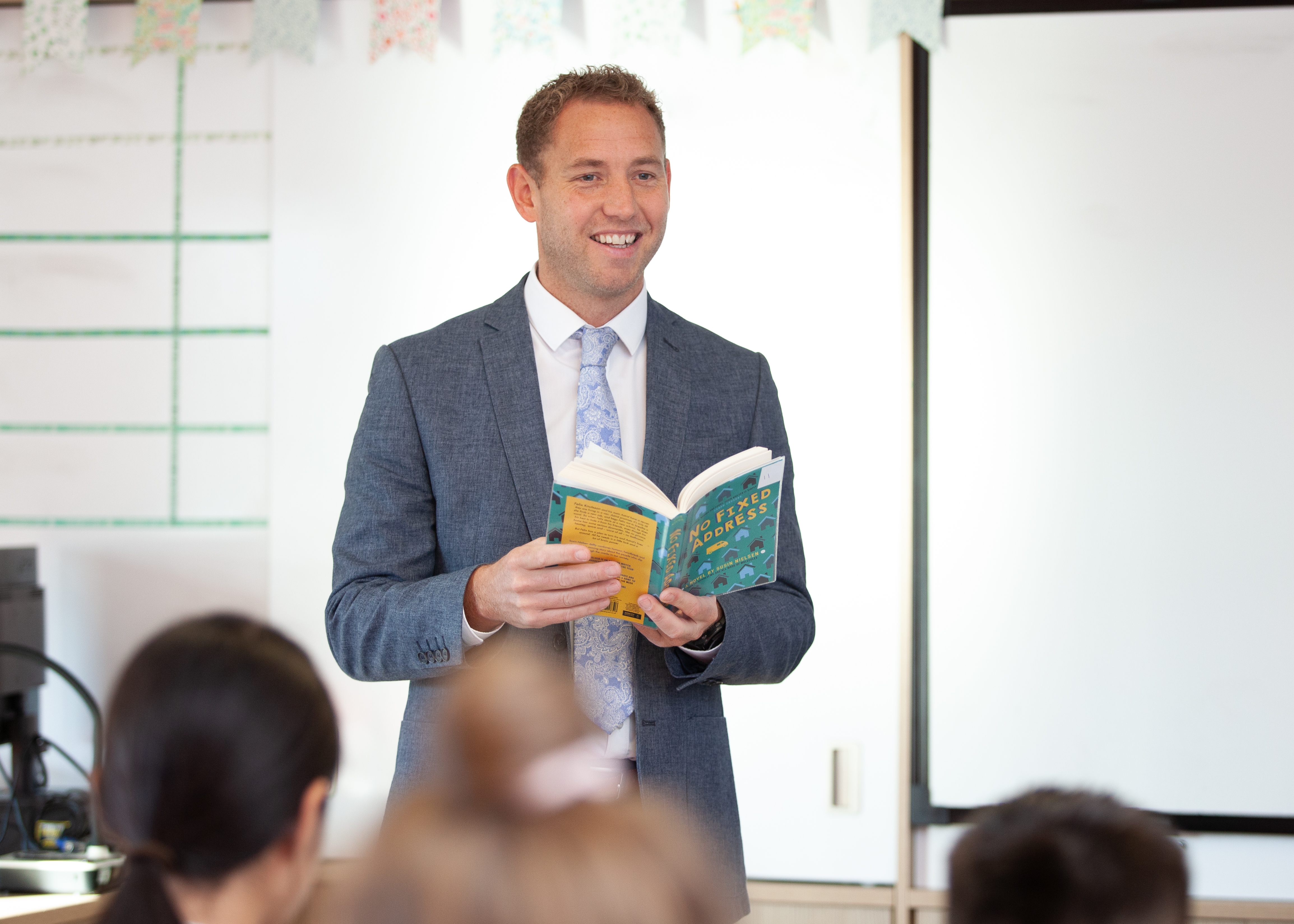
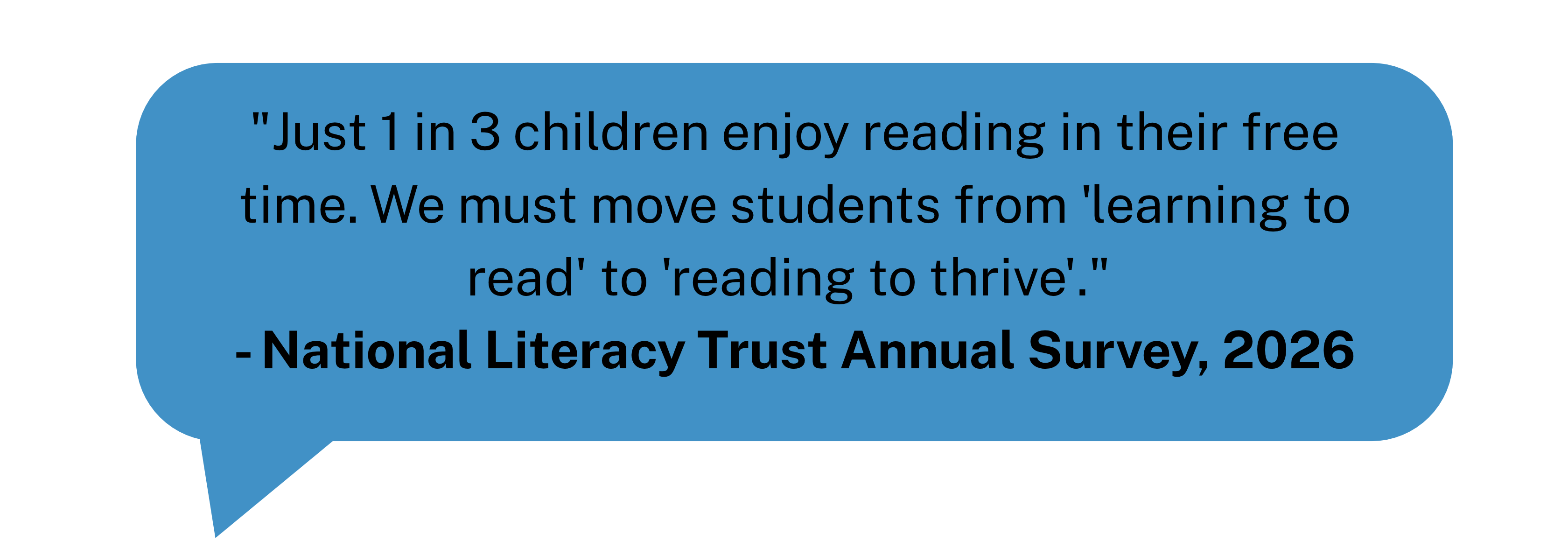
We recognise that in addition to 'reading to learn' there is also a requirement to develop and celebrate a culture of reading for pleasure. At Baysgarth we are committed to developing resilient readers who can access a range of texts which explore a multitude of themes, perspectives, experiences and are reflective of the diverse world we live in.
Our goal is to enable every child to have a level of literacy that prepares them for the future.
How do we do this?
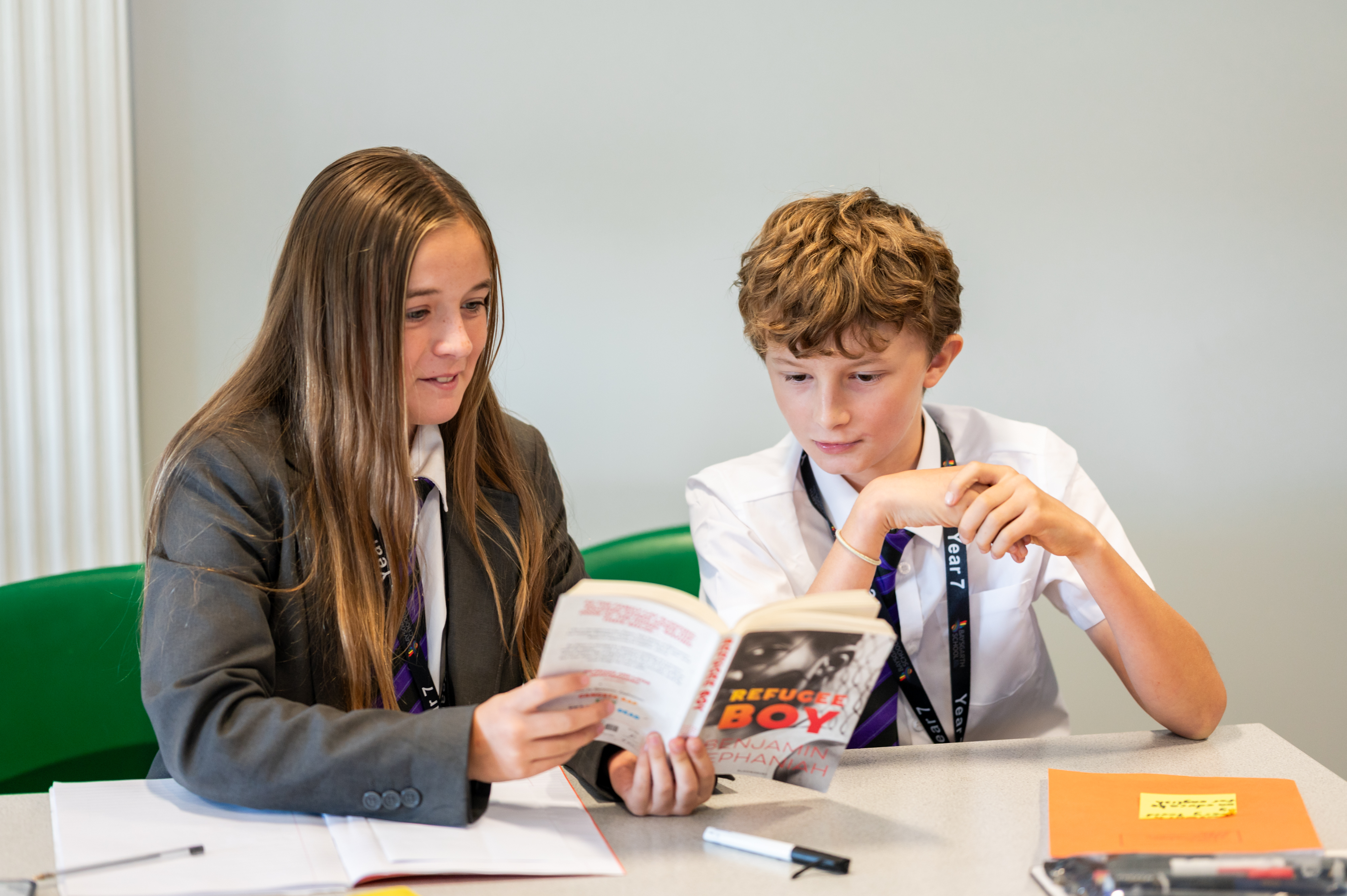
- Collective Reading Programme: Exposing students to a rich, diverse selection of genres, authors, and global perspectives in our ‘Collective Reading’ programme.
- Explicit Vocabulary Teaching: Deliberately and explicitly teaching expressive and receptive language to all learners to improve their communication skills using Wordology.
- Reciprocal Reading Strategies: Utilising Reciprocal Reading strategies to develop reading comprehension in all learners, irrespective of their ability.
- Data & Bespoke Intervention: Using data to identify and support students by offering bespoke intervention to promote progress in reading skills as part of our literacy curriculum and Lexonik programme.
- Culture & Enrichment: Promoting and celebrating a culture of reading throughout the school while offering students opportunities to engage in reading enrichment and challenges.
- Community Connections: Working with the wider community, including local bookshops, libraries, and authors—to offer students a diverse range of experiences linked to reading.
- Staff Professional Development: Delivering regular CPD to all staff to develop a school where every teacher is a teacher of literacy.
What Can You Do at Home?
Supporting your child’s literacy journey doesn't end at the school gates.
Here are practical ways you can help foster a lifelong habit of reading:
- Model reading habit: Let your child see you read books, newspapers, recipes, or digital articles so they understand reading is a normal, everyday adult habit.
- Broaden the definition of reading: Accept non-traditional formats like graphic novels, comics, magazines, blogs, and audiobooks as valid and valuable literacy tools.
- Talk about books and media: Ask open-ended questions about what they are reading, watching, or gaming, focusing on characters, plots, or their personal opinions.
- Access to reading resources: Ensure your child has access to reading materials by using school opportunities and checking your local library catalog in person or online.