PE
Faculty Leader: Mr B McNaught
KS3
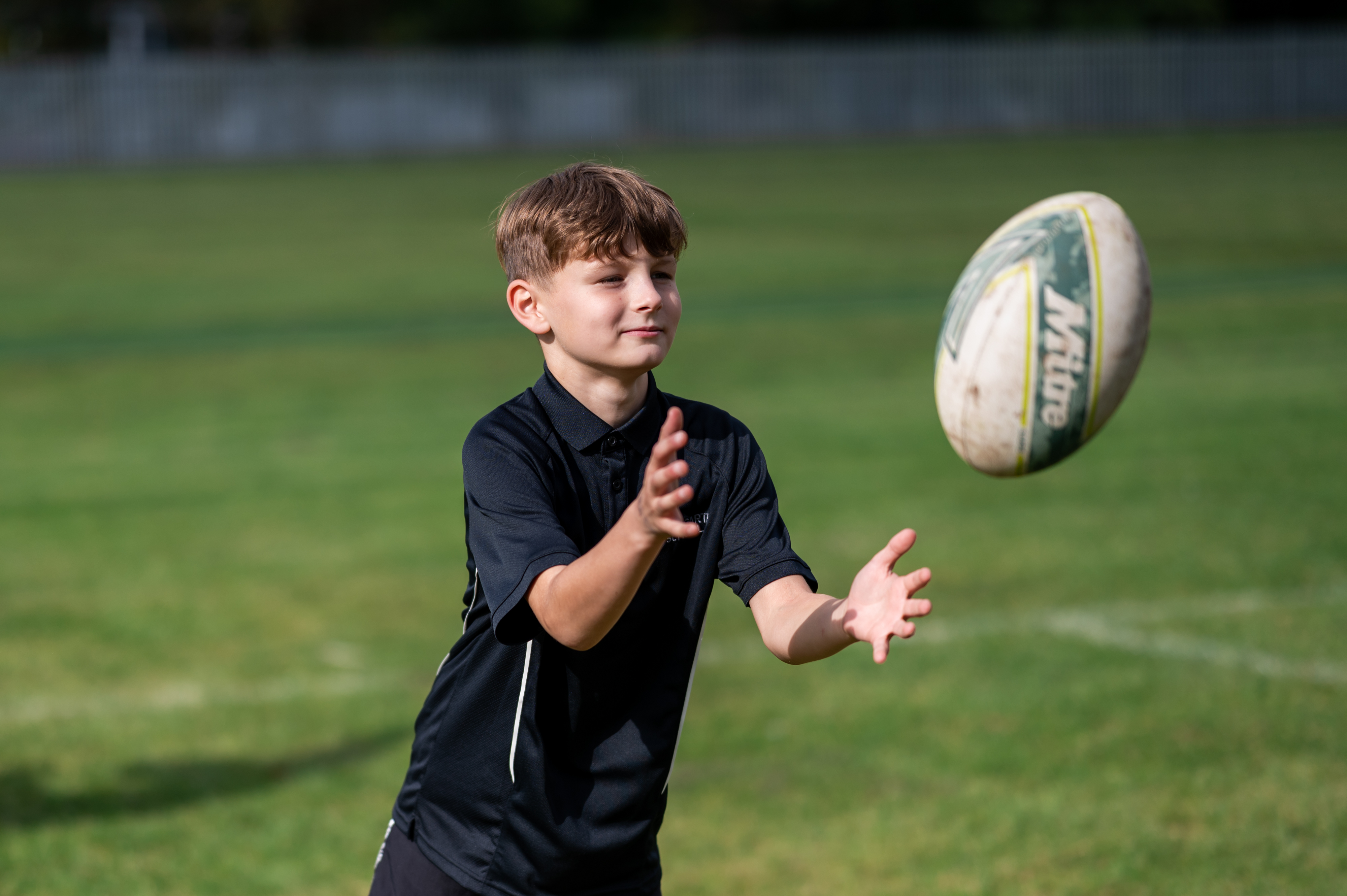
The KS3 PE curriculum balances high-energy activity with skill development across five core areas. Students master invasion games to develop spatial awareness and teamwork, and net games to sharpen reactions and tactical placement. Striking and fielding build strategic decision-making, while aesthetic activities like Gymnastics focus on poise and creative composition. Finally, individual performance in Athletics encourages students to beat their personal bests and develop individual technique. By blending technical drills with fast-paced, modified gameplay, the curriculum ensures lessons remain fun and inclusive while providing a foundation for lifelong physical literacy.
KS4
The KS4 curriculum builds seamlessly on the foundations of KS3 by evolving into a Teaching Games for Understanding (TGfU) approach. Rather than focusing on isolated skills, this method immerses students in tactical, game-based scenarios that highlight the "why" behind every move, making lessons more dynamic and thought-provoking. Central to this stage is student voice; by involving learners in the design of their curriculum, whether they prefer high-intensity competition, aesthetic mastery, or wellbeing-focused fitness, the program becomes a personalized experience. This autonomy empowers students to take ownership of their physical health, transitioning from guided learning to a self-motivated, lifelong love for sport and physical activity.
The curriculum is ever changing and re-assessed each year to ensure that the latest national trends and upcoming sports are included wherever possible. Please see below an example curriculum.

Sport
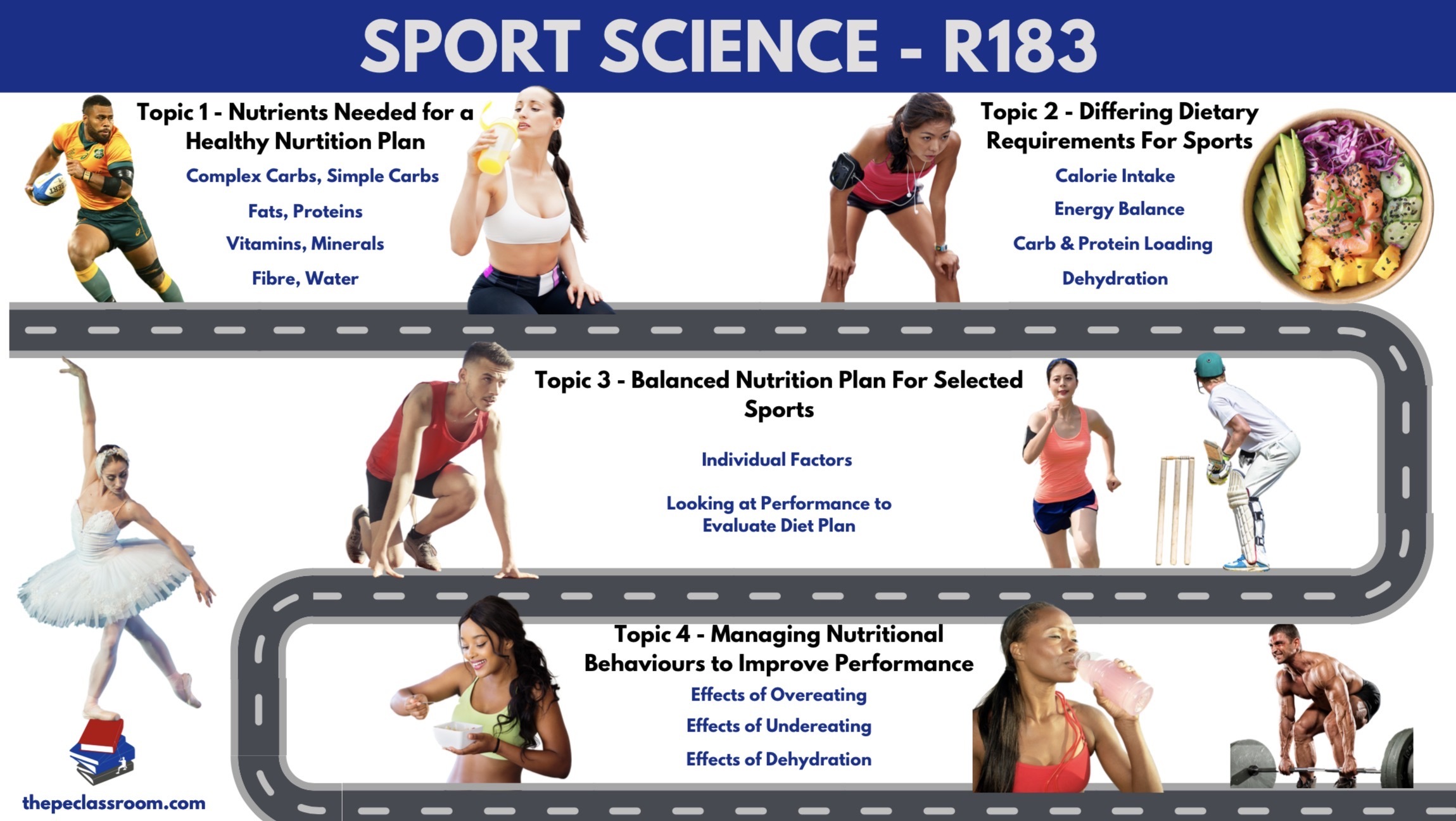
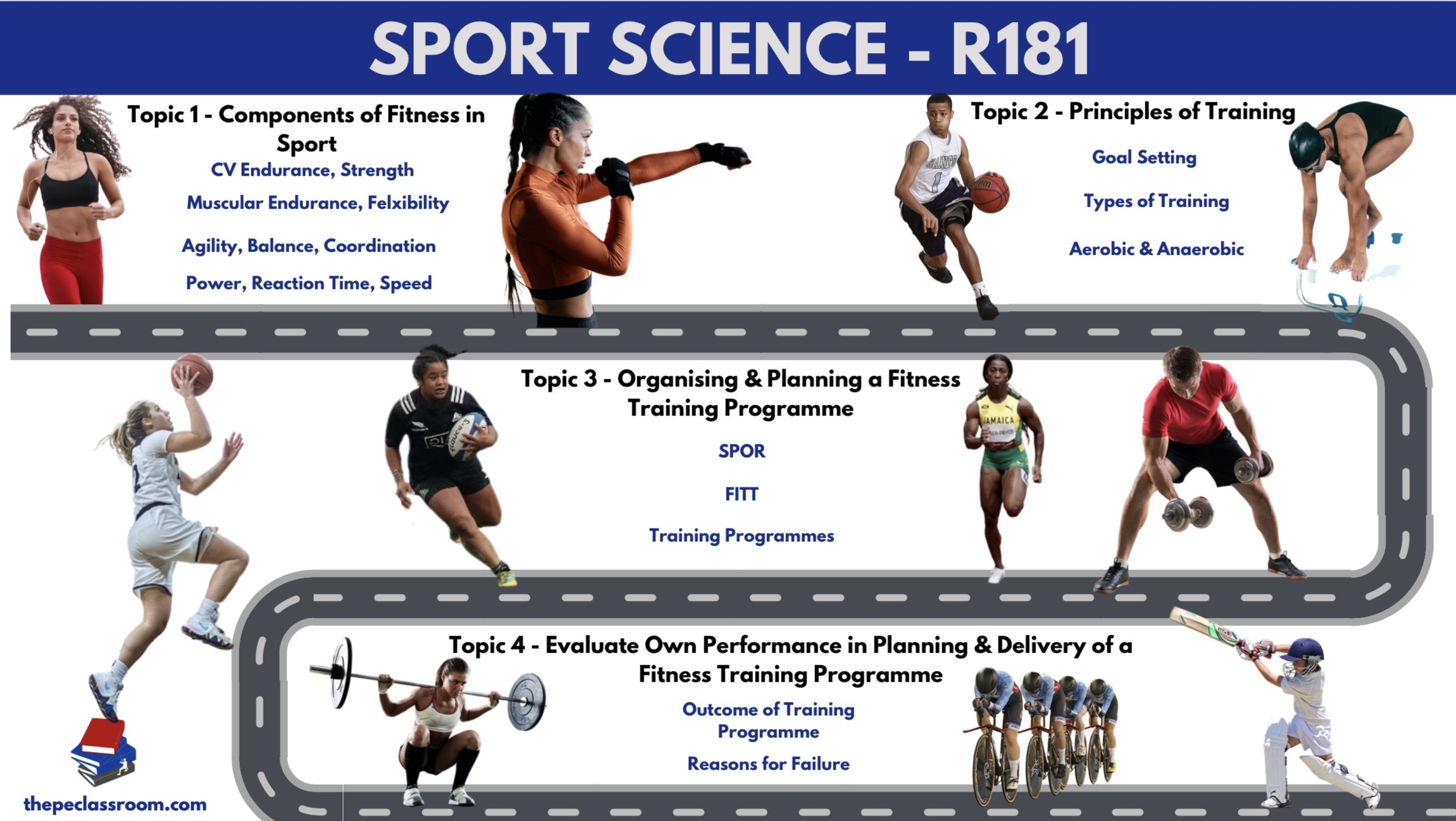
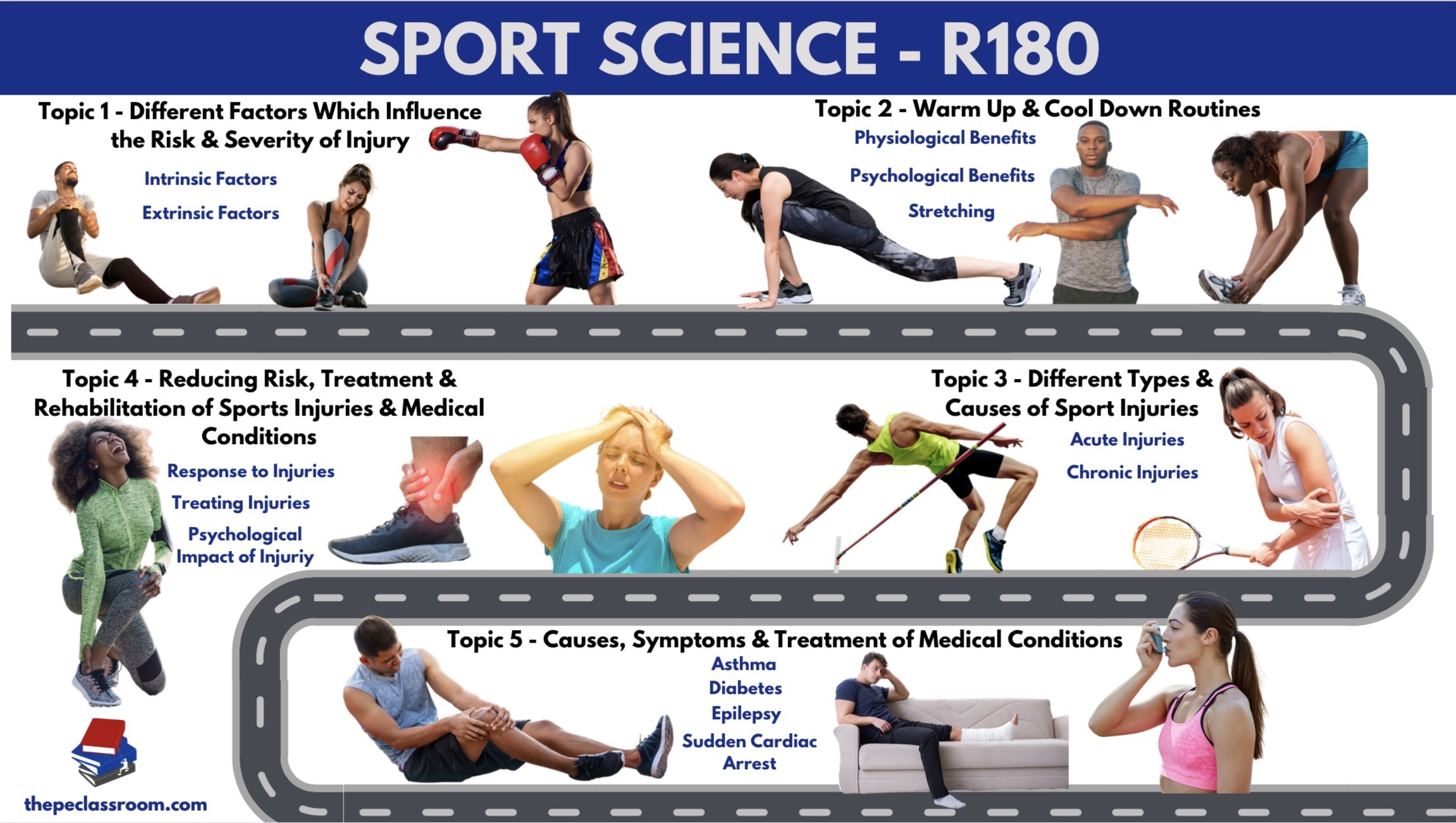
In Year 9, the students have the option of choosing sport as one of their options. The OCR Cambridge National (CNAT) in Sport Science focuses on the scientific and medical principles that underpin athletic performance and physical activity. A core pillar of the course is Reducing the Risk of Sports Injuries, where students learn to identify extrinsic and intrinsic factors that influence safety, alongside mastering warm-up protocols and emergency response. This is complemented by the study of Applying the Principles of Training, which explores how the body’s systems, specifically the muscular, skeletal, and cardiorespiratory systems, adapt to structured exercise. Finally, the curriculum integrates Nutrition and Sports Performance, analyzing how fueling the body correctly can be the difference between winning and losing.
For more information: